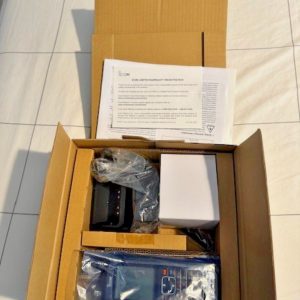
:::writingvariant="document" id="58314" ICOM IC-A25N Handheld NAV/COM Transceiver w/ Bluetooth – Open Box: Portable Aviation Radio The ICOM IC-A25N Handheld NAV/COM Transceiver w/ Bluetooth – Open Box provides pilots and aviation professionals with a convenient combination of communication, navigation support, portable operation, and wireless connectivity. An open-box ICOM transceiver can be attractive to buyers who want dependable features while reducing the cost of purchasing professional aviation equipment. The ICOM IC-A25N Handheld NAV offers a flexible option for private pilots, commercial operators, instructors, aviation students, and support personnel. As an ICOM IC-A25N Aviation Radio, the transceiver may be used during normal flight operations, communication training, airport monitoring, ground coordination, and emergency preparation. An ICOM IC-A25N Handheld Radio offers mobility that panel-mounted equipment cannot provide, allowing users to communicate from the aircraft, ramp, hangar, or operations area. Choosing a Handheld NAV/COM Aviation Transceiver can support organized flight preparation, backup planning, and portable cockpit communication. Whether the requirement is a Handheld Aviation Radio, Aviation NAV/COM Radio, Pilot Handheld Radio, or Aircraft Communication Radio, buyers should review package condition, included accessories, battery health, and operational compatibility before purchase. The product can support pilots seeking a Portable Aviation Transceiver, Aviation Navigation Radio, ICOM Pilot Radio, or dependable Backup Aircraft Radio.
Key Benefits of the ICOM IC-A25N Transceiver
The ICOM IC-A25N is designed to provide aviation communication and navigation-related functionality in a portable enclosure suitable for cockpit, ramp, hangar, training, and emergency use. The IC-A25N may appeal to users who prioritize strong construction, straightforward operation, and access to aviation functions away from the instrument panel. Users should understand that portable-radio coverage can differ from panel-mounted equipment connected to an external aircraft antenna. Training with the device can reduce delays and confusion when rapid communication becomes necessary.Using the ICOM IC-A25N Handheld NAV
The ICOM IC-A25N Handheld NAV can support pilots who want portable access to aviation communication and navigation information during flight preparation or cockpit operations. Private pilots may carry the device during cross-country flights, aircraft repositioning, fly-ins, or travel in rented airplanes. Users should understand which functions are intended for reference, communication, navigation support, training, or emergency use. Organized cockpit placement improves access while protecting the radio from impact, movement, moisture, and accidental activation.ICOM IC-A25N Aviation Radio for Pilots
Aviation professionals can carry the IC-A25N when moving between aircraft instead of depending entirely on equipment installed in one cockpit. Pilots attending fly-ins or traveling through unfamiliar airports may appreciate having portable access to communication frequencies. Current photographs should show the radio body, display, controls, connectors, antenna, battery, charger, packaging, and included components. Testing should occur in a lawful and appropriate manner without creating unauthorized transmissions or interfering with aviation communications.ICOM IC-A25N Handheld Radio Applications
The ICOM IC-A25N Handheld Radio offers portable access to aviation communication functions without requiring permanent aircraft installation, wiring, panel space, or structural modification. Battery contacts, charging ports, headset connections, controls, and the display should remain free from dirt, loose objects, and contamination. Preparation outside the aircraft supports more confident, efficient, and less distracting use during actual operations. A portable radio should not be left in extreme heat, direct sunlight, freezing conditions, or damp environments for extended periods.Choosing a Handheld NAV/COM Aviation Transceiver
The device may be especially valuable to pilots who operate older aircraft, rented aircraft, or airplanes with limited redundancy. Users should consider how frequently the radio will be carried, whether Bluetooth is required, and which accessories are needed for their aircraft or headset. A handheld transceiver ICOM Pilot Radio becomes more dependable when it is included in routine preflight preparation rather than checked only during emergencies. An equipment log may be helpful for flight schools, shared aircraft, or aviation businesses where several users handle the same device.Handheld Aviation Radio Applications
Portable radio access can improve operational flexibility when users move frequently between aircraft and aviation environments. Regular practice and maintenance turn a handheld device into meaningful backup equipment rather than an unverified accessory. A handheld radio should be evaluated in the aircraft and environment where it will normally be used. Responsible communication protects aviation operations and helps users gain the full value of a professional handheld radio.Using an Aviation NAV/COM Radio
A NAV/COM radio may support pilots who need backup communication while also valuing navigation-oriented information and operating flexibility. Important features should be practiced on the ground before the radio is used during high-workload phases of flight. A handheld device may provide valuable reference information but should not replace required installed equipment or approved procedures where those are necessary. A structured preflight routine helps the Aviation NAV/COM Radio deliver reliable and practical support.Pilot Handheld Radio for Flight Operations
Flight instructors may value a handheld unit for monitoring, demonstration, backup, and coordination during ground or flight-training activities. The device should remain accessible to the pilot without becoming a loose object or interfering with cockpit controls. Training may also include using the radio with gloves, in reduced light, with a headset, or in a noisy cockpit environment. Pilots may consider carrying an appropriate backup power option when supported by the equipment and mission requirements.Maintaining an Aircraft Communication Radio
An aircraft communication device can support maintenance coordination, ground handling, training activities, and operational monitoring where appropriate. Clear communication depends on more than radio quality because users must understand procedures, frequencies, terminology, timing, and radio discipline. Buildings and hangar structures can also reduce radio performance during ground use. Qualified repair or manufacturer-supported service may be appropriate for electronic problems that cannot be corrected through normal setup.Using a Portable Aviation Transceiver
A compact transceiver may remain available during electrical shutdowns, maintenance events, panel upgrades, or aircraft storage. Charging equipment should be identified clearly and kept with the correct radio and battery system. A wired backup arrangement may remain useful when Bluetooth accessories lose charge, disconnect, or experience interference. Bluetooth settings can be reviewed during preflight preparation and confirmed before the aircraft begins moving.Choosing an Aviation Communication Device
A professional handheld radio may serve private pilots differently from flight schools, maintenance shops, airport staff, or commercial operators. Buyers should avoid assuming that open-box always means unused or that every accessory remains included. Aviation businesses should establish procedures for cleaning shared microphones, headsets, controls, and surfaces where appropriate. A radio configured for one headset or training environment may need adjustment before being issued for another application.Handheld Aircraft Radio Benefits
Flight instructors can carry the radio during aircraft walkarounds, ramp exercises, and selected student-training activities. A handheld unit allows maintenance personnel to confirm communication-related information while aircraft power remains disconnected. The unit must remain accessible without forcing the pilot to look away from primary responsibilities for an extended period. Ramp and maintenance environments can expose portable electronics to contaminants that are less common in normal indoor storage.Aviation Navigation Radio Benefits
Navigation functions can add value during training, planning, route familiarization, and backup preparation when used appropriately. Pilots should confirm which navigation functions are available, how they operate, and what limitations apply before relying on them. The device should become part of a layered navigation and communication strategy rather than the sole source of critical information. The manual and quick-reference information should be available until the pilot can use important functions confidently.Choosing an ICOM Pilot Radio
An ICOM handheld can become a standard part of a flight bag for pilots who regularly operate rented, shared, or personally owned aircraft. A complete and well-documented package can be more valuable than a lower-priced unit missing essential equipment. The device should support the pilot’s normal workflow rather than requiring accessories or procedures that are inconvenient or incompatible. Periodic practice ensures that the user remains confident with essential functions as time passes.Maintaining an Emergency Aviation Radio
A backup transceiver should be included in emergency planning rather than carried without testing or operational preparation. Users should practice essential operation under calm conditions so frequency entry and audio adjustment remain manageable under stress. Emergency preparation may include checking battery endurance, carrying an appropriate backup power source, protecting the antenna, and confirming headset compatibility. Emergency equipment checks can be scheduled with annual inspections, proficiency reviews, seasonal preparation, or flight-bag audits.Backup Aircraft Radio Benefits
The IC-A25N offers portable communication and navigation-oriented functions that can support a layered aviation equipment strategy. The radio should be included in preflight equipment checks appropriate to the planned operation. Each audio method should be tested in advance under realistic cockpit noise conditions. Aviate, navigate, and communicate priorities remain essential whenever communication equipment problems occur.Evaluating an Open-Box Aviation Radio
The display should illuminate correctly and remain free from major damage, unreadable sections, or unexplained visual problems. Missing accessories can increase final cost and may prevent the radio from being used as expected immediately after delivery. Functional testing should include power-on behavior, charging, control response, display operation, speaker audio, microphone function where appropriately tested, and accessory recognition. The radio should be protected from impact, moisture, static, loose movement, and pressure during transportation.Maintaining a Portable NAV/COM Transceiver
Long-term reliability depends on battery care, protected storage, correct charging, careful antenna handling, clean connectors, updated familiarity, and prompt attention to operating concerns. Inspection frequency may need to increase when the device is shared, carried daily, used outdoors, exposed to maintenance environments, or stored in an aircraft.- Check for cracks, loose parts, damaged buttons, display concerns, weak battery performance, antenna damage, charging problems, and missing accessories.
- Keep the operating guide or a simple quick-reference resource accessible until important functions are fully familiar.
- Store the radio, battery, charger, antenna, adapters, and documentation in a dry, organized, protected location after use.